Source Lithium Iron Phosphate Cathode Material for EVs, HEVs, and High Capacity
Find 30 listings for lithium iron phosphate cathode material suitable for electric vehicles, hybrid vehicles, and high-capacity applications. Buyers can compare specifications like particle size, tap density, and surface area from verified suppliers in China.
Key considerations
Products List




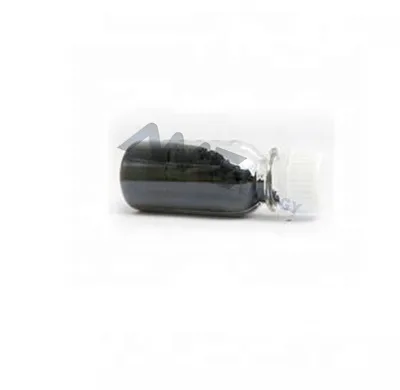
Comprehensive Sourcing Guide
Strategic Sourcing Guide for Lithium Iron Phosphate Cathode Materials
Understanding the Technical Landscape of LFP Cathodes
The global transition toward electrified transportation and grid-scale energy storage has elevated the importance of lithium iron phosphate (LFP) cathode materials. These materials are distinct from other lithium-ion chemistries due to their inherent safety profile, thermal stability, and extended cycle life. When sourcing these materials, buyers must first distinguish between the various classifications available in the market. The supply chain offers products categorized under specific chemical identifiers, such as Iron Oxide and Cobalt Oxide derivatives, though the primary focus for LFP applications remains on the specific phosphate-based compounds.
Technical specifications are the cornerstone of any successful procurement strategy for LFP materials. The physical properties of the powder directly influence the performance of the final battery cell. Key parameters include particle size distribution, specifically the D50 value, which dictates the packing density and electrochemical kinetics. In the current market, observed specifications for high-performance LFP powders often cite a D50 range around 1.7 microns, while other grades may target a broader range of 3 to 5 microns. These variations are not arbitrary; they are engineered to meet specific cathode manufacturing requirements.
Another critical technical attribute is the specific surface area, which typically ranges between 12 and 18 square meters per gram. A higher surface area can enhance reaction rates but may also increase side reactions with the electrolyte, affecting long-term stability. Buyers must also evaluate tap density, a measure of how tightly the powder packs. Specifications often indicate a tap density greater than 0.8 g/cm³ or 0.7 g/cm³, with pressed densities sometimes reaching 1.0 g/cm³. These density metrics are vital for maximizing the energy density of the battery pack. Furthermore, the material's origin plays a role in consistency; many high-grade materials originate from major manufacturing hubs like Shandong, China, where established supply chains support large-scale production.
Compliance, Certification, and Grade Standards
Navigating the compliance landscape for battery materials requires a rigorous verification process. Unlike consumer goods, battery raw materials are subject to stringent quality standards that ensure safety and performance consistency. The market recognizes several grade standards, with Electron Grade being a prominent classification for high-purity applications. This grade implies a level of purity and consistency necessary for advanced electronic and energy storage devices.
Certification verification is a non-negotiable step in the sourcing process. Buyers should look for products that adhere to recognized international standards. In the context of LFP materials, standards such as SGS are frequently referenced as a benchmark for quality assurance. However, the presence of a standard name does not automatically guarantee compliance for every lot; it serves as a reference point for the testing protocols used. Additionally, specific product models often carry their own internal standard codes, such as GN-15, GN-16, or GN-P198H, which define the specific manufacturing and quality control parameters for that batch.
Purity and chemical composition are also central to compliance. The materials are often classified as "No Salt Oxide" types, indicating a specific chemical state that minimizes impurities. For applications requiring the highest reliability, such as electric vehicles (EVs) and hybrid electric vehicles (HEVs), the material must meet strict chemical purity thresholds. Buyers should verify that the supplier can provide test reports confirming the absence of unwanted contaminants and the precise stoichiometry of the iron, lithium, and phosphorus components.
Cost Drivers and Pricing Dynamics
The pricing of LFP cathode materials is influenced by a complex interplay of raw material costs, manufacturing processes, and market demand. The observed price range in the market spans from 10 to 1000 USD, reflecting the vast diversity in product grades, packaging, and order volumes. This wide range indicates that a single price point cannot be applied universally; instead, cost is highly dependent on the specific technical specifications and the scale of the purchase.
One of the primary cost drivers is the customization level of the product. While standard grades are available, many buyers require tailored specifications, such as specific particle sizes or surface areas, to match their proprietary battery designs. Customization services often incur additional costs, as they require dedicated production lines and rigorous quality control measures. The availability of customization is a key factor in the final price, allowing buyers to optimize performance at the expense of higher unit costs.
Packaging also significantly impacts the overall cost structure. Standard packages are common for bulk industrial orders, while vacuum sealing packages are often required for high-purity materials to prevent moisture absorption and degradation. The choice between standard exporting packages, cartons, or cardboard boxes depends on the logistics chain and the sensitivity of the material to environmental factors. Furthermore, the minimum order quantity (MOQ) plays a crucial role in pricing. The market observes MOQs ranging from 1 unit to 5000 units. Larger orders typically benefit from economies of scale, reducing the per-unit cost, while smaller orders may carry a premium due to the fixed costs of handling and logistics.
Typical Applications and Performance Requirements
LFP cathode materials are versatile and serve a wide array of applications, with the most prominent being the manufacturing of lithium-ion batteries for electric vehicles and energy storage systems. The specific application dictates the required performance metrics. For instance, materials designed for EVs and HEVs must support high capacity and rapid charging capabilities. These applications often require materials with specific pressed densities and tap densities to ensure the battery can deliver the necessary power output while maintaining safety.
Beyond transportation, LFP materials are essential for high-capacity energy storage systems used in grid balancing and renewable energy integration. The stability and long cycle life of LFP make it ideal for these stationary applications. The market also sees applications in liquid-phase adsorption and other industrial processes where the material's chemical properties are leveraged for specific reactions.
The classification of the material often aligns with its intended use. For example, products labeled as "Lithium Battery Raw Material" or specifically for "Lithium Ion Battery Cathode Materials" are engineered to meet the rigorous demands of cell manufacturing. The nominal voltage of the resulting battery cells is typically around 3.7V, a standard that influences the cathode material's electrochemical potential. Buyers must ensure that the selected material is compatible with their specific cell design, including the anode materials and electrolyte formulations.
Supplier Evaluation and Selection Criteria
Selecting the right supplier is critical for maintaining a stable supply chain and ensuring product quality. Buyers should evaluate suppliers based on their ability to provide consistent technical specifications and their track record in the industry. The origin of the product, such as Shandong, China, can be an indicator of the supplier's location and potential logistical advantages, but it should not be the sole criterion for selection.
A robust supplier evaluation process includes verifying the supplier's capacity for customization. The ability to produce materials with specific models, such as GN-198s or GN-T2, demonstrates technical flexibility. Buyers should also assess the supplier's quality control processes, looking for evidence of adherence to standards like SGS and the ability to provide detailed test results for each batch.
Packaging and logistics capabilities are also important factors. Suppliers offering vacuum sealing or standard exporting packages demonstrate an understanding of the material's sensitivity to environmental conditions. The flexibility in packaging options, from cartons to cardboard boxes, allows buyers to tailor the logistics solution to their specific needs. Additionally, the supplier's responsiveness to inquiries and their willingness to provide samples for testing are key indicators of a reliable partnership.
Quality Control and Long-Term Procurement Considerations
Quality control is the backbone of successful procurement in the battery materials sector. Buyers must implement a rigorous quality assurance plan that includes incoming material testing and ongoing performance monitoring. The variability in particle size, surface area, and density requires precise measurement techniques to ensure that the material meets the specified requirements.
Long-term procurement considerations involve building a resilient supply chain that can withstand market fluctuations and demand spikes. This includes diversifying suppliers to mitigate risk and establishing long-term contracts that lock in favorable terms. Buyers should also consider the environmental impact of the materials and the supplier's sustainability practices, as these factors are increasingly important in the global market.
The specific surface area, particle size, and tap density must be consistently monitored to ensure that the battery performance remains stable over time. Any deviation from the specified ranges, such as a D50 value shifting from 1.7 microns to a different range, could indicate a problem in the manufacturing process. Buyers should work closely with their suppliers to establish clear quality benchmarks and communication channels for addressing any issues that arise.
Comparative Analysis of Material Specifications
To facilitate informed decision-making, buyers should compare the technical specifications of different LFP materials available in the market. The following table summarizes key attributes observed in the current supply landscape:
| Attribute | Specification A | Specification B | Specification C |
|---|---|---|---|
| Classification | Iron Oxide | Cobalt Oxide | Titanium Dioxide |
| D50 Particle Size | 1.7 microns | 3-5 microns | N/A |
| Specific Surface Area | 12-18 m²/g | N/A | N/A |
| Tap Density | >0.8 g/cm³ | >0.7 g/cm³ | N/A |
| Pressed Density | 1.0 g/cm³ | N/A | N/A |
| Application | EV, HEV, High Capacity | Lithium Battery | Liquid-Phase Adsorption |
| Standard | SGS | GN-15, GN-16 | LFP Powder |
| Origin | Shandong, China | China | China |
| Packing | Standard Package | Vacuum Sealing | Cartons |
This comparison highlights the diversity in product offerings. Buyers must carefully match these specifications to their specific application requirements. For instance, a project requiring high energy density for an EV might prioritize the material with a pressed density of 1.0 g/cm³ and a D50 of 1.7 microns, while a stationary storage application might focus on the material with a broader particle size distribution.
In conclusion, sourcing lithium iron phosphate cathode materials requires a deep understanding of technical specifications, compliance standards, and market dynamics. By carefully evaluating suppliers, verifying quality control processes, and selecting the right material specifications, buyers can ensure the success of their battery manufacturing operations. The complexity of the market demands a disciplined approach, but the rewards of a stable and high-quality supply chain are substantial.
FAQs
What classification applies to the primary cathode materials listed?
The primary materials are classified as Iron Oxide and Cobalt Oxide derivatives. Some listings also specify Titanium Dioxide, while the core application targets Lithium Battery Raw Materials for cathode production.
Which particle size specifications are available for these materials?
Available particle sizes include a D50 of 1.7 microns and a range of 3 to 5 microns. These specific dimensions are engineered to meet distinct cathode manufacturing requirements for packing density and kinetics.
Can buyers request customization for these lithium battery materials?
Yes, customization is available for these products. Buyers can tailor specifications to match proprietary battery designs, though this may involve dedicated production lines and specific quality control measures.
What packaging options are offered for these cathode materials?
Packaging options include Standard Package, Vacuum Sealing Package, and Standard Exporting Package. Some listings also specify Cartons or Cardboard Boxes depending on the sensitivity of the material to environmental factors.
Which grade standards ensure quality for these materials?
Electron Grade is a prominent classification for high-purity applications. Products also adhere to standards such as SGS, with specific internal codes like GN-15 or GN-16 defining manufacturing parameters.
What is the typical tap density for these cathode powders?
The tap density is specified as greater than 0.8 g/cm³ or 0.7 g/cm³. Pressed density values can reach 1.0 g/cm³, which is vital for maximizing the energy density of the battery pack.
Where are these lithium battery materials primarily sourced from?
The products originate from Shandong, China, and other regions within China. This location indicates established supply chains that support large-scale production of high-grade battery materials.